
25 Easy Sensory Play Ideas Using Household Items
Have you ever noticed how children can find the most fascinating things in the kitchen cupboard, laundry basket or backyard?
Sometimes the simplest everyday objects offer just as much opportunity for exploration as a carefully prepared activity.
Sensory play doesn’t need to involve expensive equipment, complicated recipes or a cupboard full of specialist resources.
In fact, many wonderful sensory experiences can be created using things you already have at home.
From splashing in water and exploring different textures to making music with kitchen utensils, these sensory play ideas using household items are easy to set up and can be adapted to suit your child’s interests and stage of development.
Whether you’re looking for a quick activity for a busy afternoon, a simple invitation to play or a new way to explore familiar objects, here are 25 ideas to inspire your next play session.

What is sensory play?
Sensory play is any type of play that encourages children to explore and investigate the world through their senses.
We often associate sensory activities with messy play, water trays and textured materials.
However, sensory experiences can also involve listening to sounds, noticing smells, exploring movement, observing colours and discovering how different objects feel.
Children naturally use their senses as they investigate their surroundings.
They might squeeze a sponge, listen to a wooden spoon tapping against a saucepan, watch water move between containers or explore the different textures of fabrics.
These everyday moments can provide opportunities to experiment, make discoveries and develop new understandings.
Why try sensory play with everyday household items?
One of the lovely things about sensory play is that it doesn’t need to be complicated.
Using familiar household materials can make it easier to offer children opportunities to explore without spending hours preparing an activity.
Sensory play can provide opportunities to practise:
- Fine motor skills: Squeezing, stirring, pinching, pouring and manipulating objects.
- Hand-eye coordination: Watching and guiding objects as they move.
- Language development: Describing textures, sounds, colours, shapes and what is happening.
- Early mathematical thinking: Exploring concepts such as more, less, full, empty, heavy, light and different sizes.
- Problem-solving: Testing what happens when materials are moved, combined or changed.
- Creativity and imagination: Using familiar objects in new and unexpected ways.
Play-based learning is recognised in Australia’s Early Years Learning Framework.
The framework highlights the opportunities children have to explore, experiment, imagine and develop understandings through play.
The aim isn’t to turn every activity into a lesson.
Instead, offer an interesting experience, follow your child’s curiosity and enjoy discovering where their play takes them.
25 easy sensory play ideas using household items
You don’t need to prepare all 25 activities.
Choose one that suits your child’s interests, the materials you have available and the time you have.
Water and wet sensory play
Water is a wonderfully versatile material for sensory exploration.
A small amount can provide plenty of opportunities to splash, scoop, squeeze and experiment.
1. Sponge squeezing station
Place a few large, clean sponges beside a shallow container of water.
Invite your child to dip the sponges into the water, squeeze them out and watch the water drip back into the container.
You can add a second empty container for transferring water between the two.

2. Washing station for toys
Fill a shallow tub with a little water and provide a few large, washable toys.
Add a cloth or large sponge and invite your child to give the toys a bath.
They might wash toy animals, larger plastic vehicles or dolls before drying them with a towel.
3. Water pouring station
Gather a selection of large, unbreakable cups, jugs and containers.
Place them in a shallow water tray and let your child experiment with pouring water from one container to another.
Notice how different shapes and sizes change the way the water flows.

4. Water painting outdoors
You don’t even need paint for this activity!
Give your child a large paintbrush and a container of water. Invite them to paint a fence, outdoor wall, paving or another suitable surface.
Watch as their water paintings slowly disappear as the water evaporates.

5. Bubble and foam exploration
Add a small amount of child-appropriate bubble bath or mild dishwashing liquid to water and gently whisk to create bubbles.
Offer a large spoon or whisk for exploring the foam.
Children can watch the bubbles form, move and disappear as they stir and scoop.
Keep soapy water away from mouths and eyes, and supervise closely.

Texture and tactile exploration
Everyday household materials offer plenty of opportunities to discover different textures.
6. Fabric treasure basket
Gather a small collection of clean, large fabric items with different textures.
You might include a cotton tea towel, a soft washcloth, a fleece blanket and a smooth piece of fabric.
Invite your child to touch, compare, fold and explore the materials.
Choose pieces without loose buttons, decorations, long cords or other detachable parts.
7. Laundry basket exploration
A basket of clean laundry can become an invitation to play.
Offer a few large, lightweight items such as towels, pillowcases and socks.
Children can pull them out, push them back in, hide objects underneath and explore the different textures.

8. Homemade cloud dough
Create a soft, mouldable sensory material using cornflour and hair conditioner.
The mixture can be squeezed, rolled, pressed and shaped with hands or large play tools.
It is a lovely activity for children who enjoy exploring dough-like textures.
Remember that conditioner cloud dough is not edible or taste-safe. It is only suitable for children who no longer mouth play materials and should be closely supervised.
Read the cloud dough recipe and play ideas here.

9. Homemade sensory sand
Combine flour and vegetable oil to create a soft, crumbly mixture that can be scooped, poured and moulded.
Offer a shallow tray with large scoops and containers for exploring the texture.
This activity is not suitable for children who mouth materials. Home-treated flour cannot be guaranteed safe to eat, so this should be treated as supervised sensory play rather than an edible activity.
Learn how to make homemade sensory sand here.

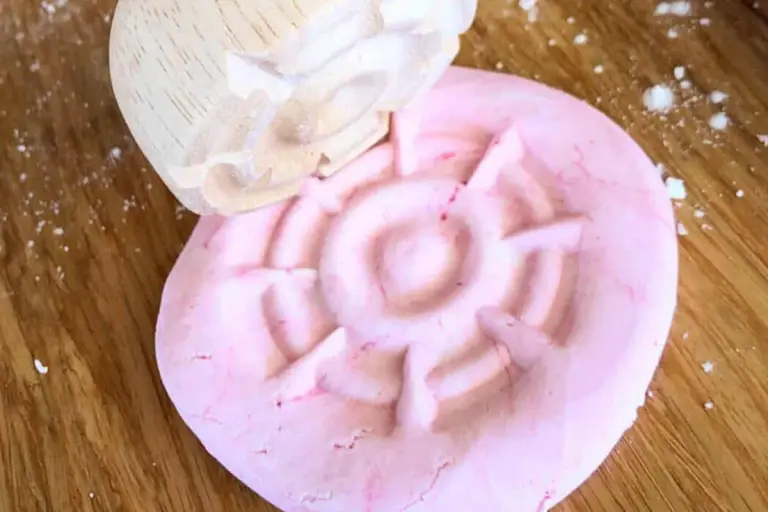
10. Cornflour clay
Cornflour clay is another simple homemade material to explore.
Once prepared and cooled, it can be manipulated, pressed and shaped into different forms.
Children can investigate how it feels, experiment with shaping it and create their own little sculptures.
Find the homemade cornflour clay recipe here.

Sound and music activities
Sensory play isn’t always messy! Sound offers another interesting way for children to investigate the world around them.
11. Kitchen band
Gather a few sturdy saucepans, wooden spoons and metal or plastic mixing bowls.
Arrange them in a safe play space and let your child experiment with making different sounds.
They can tap gently, compare the noises and discover how changing the object changes the sound.
12. Homemade sound shakers
Use securely sealed, sturdy containers to create sound shakers for older children.
I used plastic jars with unpeopled pop corn, lentils and little pebbles inside them.
For younger children, use age-appropriate commercial shakers instead of homemade containers with loose contents.
13. Sound matching
Choose a few familiar household sounds and invite your child to listen and identify them.
You might gently tap a wooden spoon against a bowl, rustle a towel or shake a container.
Ask your child what they can hear and whether they can find the object making the sound.

14. Rhythm and movement
Put on some favourite music and invite your child to move along.
They might clap, stomp, sway, spin or use their whole body to respond to the rhythm.
Try changing the music between fast and slow songs and see how their movements change.

Creative sensory play
Art and creative activities provide opportunities to explore colour, texture, movement and cause and effect.
15. Painting with water and rollers
Offer a large paint roller, a shallow tray of water and a suitable outdoor surface.
Your child can roll the water across the surface, creating broad strokes and patterns.
You can also try large decorating brushes or paintbrushes with different shapes.
16. Sealed sensory painting bags
Place a small amount of washable paint inside a strong, sealable plastic pouch.
Press out excess air, seal it securely and reinforce the closure with tape.
Place the pouch flat on a table and invite your child to move the paint around using their fingers.
The paint stays contained, allowing children to explore colours and movement without direct contact.
This activity requires close supervision. Remove the bag immediately if it becomes damaged or the seal loosens.
17. Cardboard box creativity
Before recycling your next delivery box, consider whether it could become a play invitation.
A large cardboard box can become a cubby, tunnel, pretend shop or car.
Children can explore its size, shape and structure, decorate it with suitable art materials or use it as part of an imaginative game.
18. Paper scrunching and collage
Offer larger sheets of paper and invite your child to scrunch, fold and tear them.
Older children can use the pieces to create a collage with child-safe glue.
Explore how the paper changes when it is folded, flattened or scrunched into a ball.
Supervise closely, especially with younger children who may put paper in their mouths.
19. Textured painting
Try painting with different large, washable tools rather than traditional paintbrushes.
A large sponge, wide brush or chunky roller can create different marks and patterns.
Invite your child to notice how the marks change depending on the tool they choose.
Nature and everyday discovery
Some of the best sensory play opportunities can be found just outside your door.
20. Nature collection walk
Head outdoors and look for interesting natural objects.
Depending on your environment, you might find large leaves, smooth stones, fallen flowers or interesting sticks.
Talk about what you notice. Are the leaves smooth or rough? Are the stones heavy or light? What colours can you see?
Only collect items that are safe and suitable for your child. Avoid unknown plants, berries, mushrooms, sharp objects and anything that may be contaminated.
21. Leaf printing
Gather a few clean, large leaves and some washable paint.
Place a leaf on paper and gently press it down to create a print.
Lift it to reveal the pattern and veins left behind.

22. Outdoor texture hunt
Explore the different surfaces in your backyard or local outdoor space.
Your child might notice grass, smooth paving, tree bark, sand or garden paths.
Encourage them to describe what they see and feel, using words such as rough, smooth, bumpy, soft and hard.
Keep children away from prickly plants, unknown substances and surfaces that may be hot.
23. Sorting large natural objects
Collect a small number of large, safe natural objects and invite your child to sort them.
They might group leaves by size, compare different shapes or arrange objects by colour.
Keep the collection age-appropriate and avoid small items that could be swallowed.
Everyday household play
Sometimes a familiar object can become an entirely new play resource when children are given the freedom to explore it.
24. Posting and retrieving
Use a sturdy cardboard box with a large opening and a collection of large, safe objects.
Invite your child to place the objects inside and retrieve them again.
They can explore what fits, what doesn’t and how to move the objects through the opening.
Make sure the objects are too large to swallow and that there are no sharp edges.
25. Kitchen utensil exploration
Offer a small selection of sturdy, child-safe kitchen utensils.
Large wooden spoons, silicone spatulas and plastic mixing bowls can be interesting to explore.
Children might stir, tap, stack, transfer or pretend to prepare a meal.
Stay nearby and keep sharp, heavy, breakable or hot kitchen equipment out of reach.
How to make sensory play easy to set up
Sensory play doesn’t need to become another big job on your to-do list.
A few small changes can make it easier to offer these experiences as part of everyday life.
Start with what you already have. Look around your home before buying anything new. Kitchen utensils, towels, cardboard boxes and washable toys can all become useful play resources.
Keep the setup simple. One material and a couple of tools are often enough to get started.
Use a contained space. A shallow tray, washable mat or outdoor area can make cleanup easier.
Follow your child’s interests. If your child enjoys vehicles, add them to a water-washing activity. If they love music, explore sound and rhythm.
Let the play evolve. You don’t need to demonstrate every possible way to use the materials. Give your child time to explore and see what they discover.
Repeat favourite activities. Children often enjoy returning to familiar experiences. Repetition gives them opportunities to revisit ideas, experiment and build confidence.
How to choose household materials for sensory play
Before offering a household item as a play resource, consider your child’s age, developmental stage and individual interests.
A material that is suitable for an older preschooler may not be appropriate for a baby or toddler who explores objects by putting them in their mouth.
A few things to consider include:
- Size: Avoid small objects and loose parts that could be swallowed or inhaled.
- Texture: Check for sharp edges, splinters, rough surfaces or materials that could irritate skin.
- Ingredients: Consider allergies, sensitivities and whether a material is intended for contact with skin.
- Condition: Avoid cracked, damaged or easily broken containers and equipment.
- Supervision: Stay close enough to intervene if your child needs help.
Remember that natural, recycled and everyday materials are not automatically safe. Choose carefully and adapt each activity to your child.

Sensory play safety: What parents should know
A little preparation can help make sensory play a more positive experience.
Supervise throughout the activity. Young children need active adult supervision, particularly when using unfamiliar materials or equipment.
Be mindful of choking hazards. Small household objects, loose craft materials, dried beans, beads and other small items can be dangerous for babies and toddlers. Avoid these materials for children who may put objects in their mouths.
Take extra care around water. Even shallow water can present a drowning risk. Keep children within arm’s reach and maintain constant, close supervision. Empty containers immediately after use.
Check homemade materials. Not every homemade sensory recipe is edible or suitable for mouthing. Clearly distinguish between edible activities and materials intended for supervised sensory exploration only.
Consider allergies and sensitivities. Check ingredients before using food, soaps, conditioners, paints or other products on or around your child’s skin.
Keep materials clean. Use clean containers and equipment, discard contaminated materials and wash hands after play.
Frequently asked questions about sensory play using household items
What household items can be used for sensory play?
Many everyday items can be used for sensory exploration, including water, large sponges, fabric, cardboard boxes, kitchen utensils, washable toys, paper and suitable natural materials.
Choose items that are appropriate for your child’s age and supervise their use.
What are some easy sensory play ideas for toddlers?
Simple ideas include water painting, washing large toys, squeezing sponges, exploring fabric textures, making music with kitchen utensils and playing with cardboard boxes.
Choose activities that don’t contain small loose parts and adapt the setup to your toddler’s abilities.
How can I do sensory play without making a mess?
Try water painting outdoors, sealed sensory painting bags, fabric exploration, kitchen music activities or cardboard box play.
You can also use a shallow tray or washable mat to help contain materials.
I love doing sensory activities in the shower recess for easy cleaning.
Does sensory play need to be messy?
Not at all! Sensory play can involve sound, movement, visual exploration, textures and everyday objects.
Activities such as listening to music, exploring fabric, painting with water or investigating kitchen utensils can all provide sensory experiences without messy materials.
How often should children do sensory play?
There is no set number of sensory activities children need to complete each week.
Everyday routines already offer plenty of opportunities for sensory exploration.
Cooking together, playing outdoors, washing toys, exploring water and helping with household tasks can all involve using the senses.
Follow your child’s interests and offer opportunities to explore when they are enjoyable and appropriate.
Simple play, meaningful moments
You don’t need a cupboard full of specialist sensory resources to create interesting play experiences at home.
A sponge, a cardboard box, a few kitchen utensils or a little water can be enough to spark curiosity and invite exploration.
The beauty of using household items is that these experiences can fit naturally into everyday family life.
You can follow your child’s interests, adapt activities as they grow and revisit favourite experiences whenever they like.
Start with one simple idea, see where your child’s curiosity leads and remember that the value of sensory play is often found in the exploring itself.
More sensory play inspiration
If your child enjoys exploring different textures and materials, you might also like these guides:
- 186+ Non-Food Sensory Play Materials – Explore a collection of materials for sensory trays and play invitations.
- Sensory Scooping Activities – Discover simple ways to explore scooping, pouring and transferring.
- How to Make Taste-Safe Sensory Aquafaba Foam – Explore a fluffy sensory material and ideas for using it in play. Check the article’s age and supervision guidance before offering it.
- How to Make Cloud Dough – Try a soft, mouldable sensory material for children who no longer mouth play materials.
- How to Make Homemade Sensory Sand – Discover a simple flour and oil sensory mixture, with important preparation and safety guidance.
- Concrete Oobleck Construction Play – Add a little construction-themed fun to sensory exploration.